
The Reality Behind Modern Missile Defense: Why Stopping True Hypersonic Weapons Remains Elusive
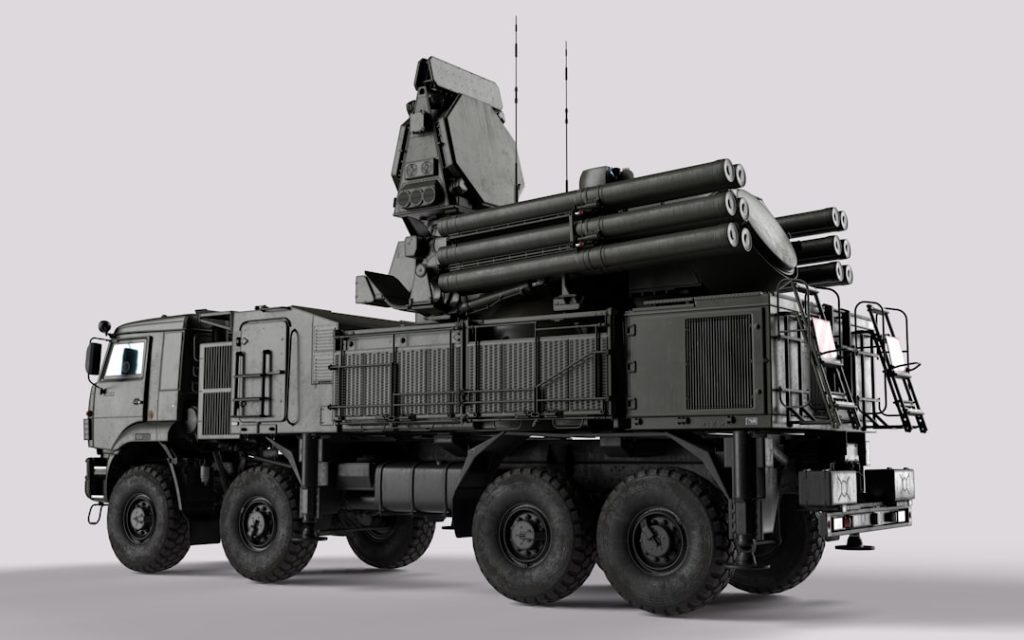
The defense industry loves to tout successful hypersonic intercepts, but here’s what they won’t tell you: we haven’t actually stopped a real hypersonic glide vehicle yet. What we’re seeing are clever marketing campaigns disguising conventional missile intercepts as breakthrough achievements against next-generation threats.
I think this distinction matters enormously for anyone trying to understand where military technology actually stands today. Defense contractors, military officials, and journalists all have incentives to blur these lines, but the technical reality is far more sobering than the headlines suggest.
The Marketing Problem with ‘Hypersonic’
The term “hypersonic” has become essentially meaningless in public discourse. Technically, it means anything faster than Mach 5, but by that definition, every ballistic missile warhead since World War II qualifies. What makes modern hypersonic weapons genuinely revolutionary isn’t just speed—it’s the combination of sustained high-speed flight, maneuverability, and low-altitude operation that defeats traditional radar detection.
In my view, this semantic confusion serves everyone except the taxpayer. When a Patriot battery shoots down an air-launched ballistic missile traveling at Mach 3.6, calling it a “hypersonic intercept” generates headlines and justifies budgets. But it tells us nothing about our ability to counter actual boost-glide vehicles that can sustain Mach 8+ while maneuvering unpredictably.
Only three weapon systems currently meet the strict definition of hypersonic glide vehicles: Russia’s Avangard, China’s DF-17, and the American Dark Eagle program. Notably, none has been fired in combat. The Avangard sits in Russian silos untouched since 2019, and the DF-17 remains unused despite China’s growing assertiveness. This isn’t technical limitation—it’s strategic restraint.
The Detection Challenge Nobody Talks About
Here’s where the physics get brutal for defenders. Ground-based radar is fundamentally limited by Earth’s curvature. A glide vehicle cruising at 30 kilometers altitude becomes visible only when it’s about 618 kilometers away. At Mach 8, that provides roughly 260 seconds of warning—barely enough time to execute a successful intercept sequence.
This is why space-based sensors represent the future of hypersonic defense, but that future isn’t here yet. The Hypersonic and Ballistic Tracking Space Sensor program launched prototypes in 2024, with mixed results. One contractor’s system works; the other doesn’t. The broader satellite constellation meant to provide comprehensive coverage has been delayed due to communication link failures between satellites.
I believe this detection problem is more fundamental than most defense analysts acknowledge. You can’t shoot what you can’t see, and current ground-based systems provide inadequate warning time against low-flying, high-speed targets. This isn’t a problem money alone can solve—it requires a complete architectural shift toward space-based surveillance.
The Kill Chain Time Crunch
Even perfect detection doesn’t guarantee interception. The defensive sequence—track convergence, target discrimination, fire control, and interceptor flight—consumes approximately 150 seconds under ideal conditions. Against a target with only 260 seconds of total warning time, this leaves an impossibly narrow engagement window.

The mathematics are unforgiving. Traditional interceptors flying at Mach 4-5 simply cannot catch up to targets already traveling at Mach 8+ in the same direction. It’s like trying to catch a speeding car while riding a bicycle. No amount of tactical brilliance overcomes the fundamental physics.
What’s Actually in the Arsenal
The current defensive inventory reveals troubling gaps between capability and requirement. The Glide Phase Interceptor, America’s only dedicated anti-hypersonic weapon, remains a “paper missile” with initial deployment scheduled for 2029. Even then, it will field just twelve interceptors initially.
Existing systems like Patriot PAC-3 and SM-6 have proven effective against conventional ballistic missiles but face severe limitations against true hypersonic targets. The acceleration advantage rule means intercepting a target pulling 6g requires the defender to pull 18g—approaching structural limits of many interceptors.
This is where I think defense planners are being dangerously optimistic. Building weapons that can theoretically intercept hypersonic gliders is one thing; producing them in sufficient quantities to matter is entirely different. Current production rates cannot keep pace with even conventional threats, let alone next-generation systems.
The Magazine Depletion Crisis
Recent conflicts have exposed a critical vulnerability that should terrify defense planners: we’re running out of interceptors faster than we can build them. The 2025 Middle East engagements consumed roughly 25% of America’s entire THAAD inventory in just twelve days. Production runs at 96 interceptors annually, with plans to quadruple output over seven years—but no new deliveries until 2027.
This magazine problem becomes catastrophic when applied to hypersonic defense. If we’re burning through expensive interceptors against conventional missiles, how will we sustain operations against weapons requiring multiple shots for each target? The economics are brutal: a $4 million interceptor against a $30,000 drone represents a 114-to-1 cost disadvantage for the defender.
I think this reveals the fundamental flaw in current defense strategy. We’re optimizing for perfect intercepts against small numbers of high-value targets, when the real threat may be saturation attacks using cheaper, more numerous weapons. The defender’s magazine empties first, regardless of individual engagement success rates.
Combat Reality Check
Real-world engagements tell a different story than test range successes. Ukrainian air defense, widely praised for its effectiveness, achieved only 17% intercept rates against genuinely fast missiles when you strip out drones and subsonic cruise missiles. Against the fastest threats—the weapons that most closely approximate hypersonic capabilities—defensive success rates collapse.
This pattern repeats across multiple conflicts. Initial intercept rates look impressive until you examine what’s actually being shot down. Slow, predictable targets get stopped reliably. Fast, maneuvering targets mostly get through. This doesn’t bode well for defending against purpose-built hypersonic gliders designed to exploit these exact vulnerabilities.

The Escalation Ladder Defense
Here’s what defense officials won’t admit publicly: the most effective defense against hypersonic weapons isn’t technological—it’s political. Russia and China possess operational hypersonic gliders but haven’t used them because firing a Mach 20 maneuvering weapon crosses escalation thresholds that can’t be uncrossed.
This restraint provides breathing room for defensive development, but it’s not a permanent solution. Political calculations can change rapidly, especially during crisis situations where decision-makers face use-or-lose pressures on their most advanced capabilities.
Who This Matters For
Defense contractors obviously benefit from hypersonic threat inflation—it justifies massive research budgets and procurement programs. Military planners need realistic assessments to allocate resources effectively rather than chasing marketing-driven requirements.
For taxpayers and policymakers, understanding these limitations is crucial for making informed decisions about defense spending priorities. Throwing money at interceptor programs that can’t scale economically may provide less security than investments in deterrence, diplomacy, or alternative defensive approaches.
Allies facing immediate missile threats need honest assessments of current defensive capabilities rather than false confidence in systems that work well in controlled tests but struggle against real-world threats.
The Uncomfortable Truth
Can you stop a hypersonic missile? Against the weapons journalists call hypersonic, sometimes yes. Against actual maneuvering glide vehicles, we simply don’t know because nobody has tried. The dedicated interceptors don’t exist yet, the sensors are incomplete, and the few tests conducted have been simulations rather than live engagements.
The most sophisticated hypersonic weapons remain in their silos not because we can stop them, but because their owners choose restraint over escalation. That’s not a technical victory—it’s a temporary political reality that could change without warning.
Meanwhile, we’re depleting our interceptor magazines against conventional threats we can actually stop. When the real hypersonic weapons finally appear, we may lack the inventory to mount an effective defense even if our technology theoretically works.
The defenders haven’t stopped being clever, but the attackers have gotten much harder to stop. And the hardest ones are still waiting their turn.
Photo by Sergey Koznov on Unsplash
Photo by Vony Razom on Unsplash
Photo by Gabriel Vasiliu on Unsplash