
Menorca’s Emerging Wine Culture Deserves International Recognition
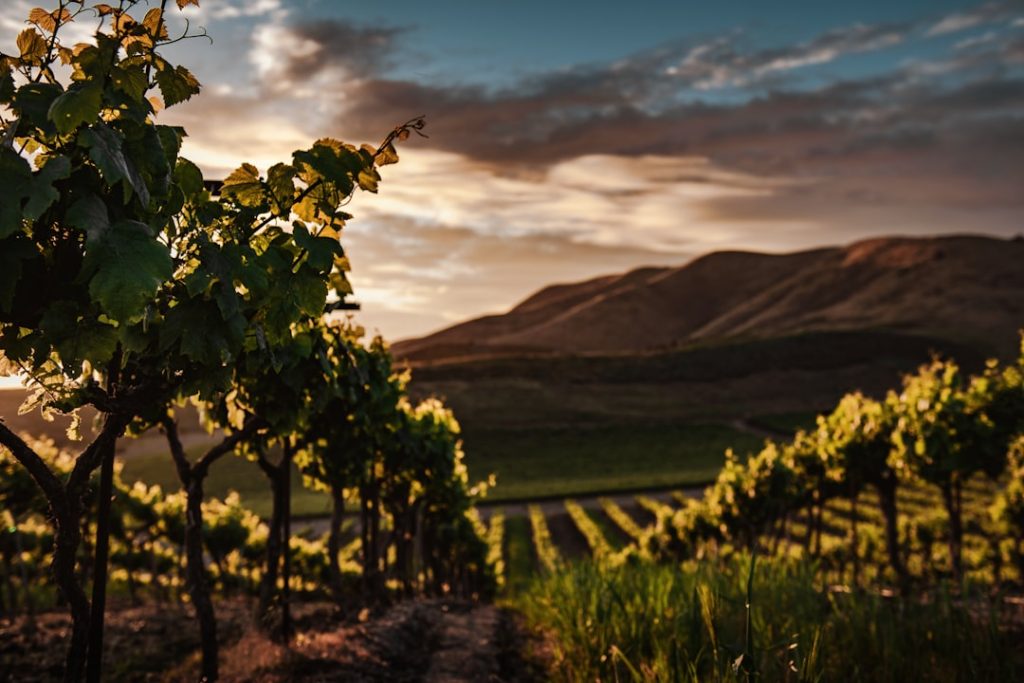
The Balearic Islands have long been overshadowed by their more famous neighbors in the wine world, but I believe Menorca represents one of Europe’s most underappreciated viticultural treasures. This rugged Mediterranean island is quietly developing a wine scene that combines traditional methods with innovative approaches, creating something genuinely special for those willing to look beyond the mainstream.
A Landscape Shaped by Elements
What strikes me most about Menorca’s wine potential is how the island’s harsh beauty translates directly into the character of its wines. The constant Mediterranean winds, rocky limestone soils, and intense sun exposure create growing conditions that would challenge many winemakers, but the results speak for themselves. These environmental stresses force vines to develop deep root systems and concentrate flavors in ways that pampered vineyard sites simply cannot match.
The island’s small-scale producers are embracing these challenging conditions rather than fighting them. This approach resonates particularly with wine enthusiasts who appreciate authenticity over mass production. However, I should note that casual wine drinkers expecting easy, crowd-pleasing bottles might find these wines too intense or unconventional for their tastes.

Who Benefits from This Wine Renaissance
Menorca’s boutique wine movement is perfectly positioned for several key audiences. Wine collectors seeking unique bottles that tell a story will find tremendous value here, as production numbers remain small and each vintage reflects the island’s distinctive terroir. Restaurant sommeliers looking to differentiate their wine lists with genuine discoveries should pay attention to these emerging producers.
The sustainability-conscious consumer also benefits significantly from Menorca’s wine scene. Many producers work with indigenous grape varieties and employ organic or biodynamic farming methods, appealing to those who prioritize environmental responsibility in their purchasing decisions.
The Challenges Remain Real
However, I must be honest about the limitations. Wine novices might struggle with the bold, mineral-driven profiles that characterize many Menorcan wines. These bottles require patience and understanding that not everyone possesses or wants to develop. Additionally, limited distribution means accessibility remains a genuine barrier for most international consumers.

Market Positioning and Future Prospects
What excites me most about Menorca’s wine trajectory is its potential to carve out a premium niche without compromising its artisanal identity. The island’s producers seem to understand that competing on volume would be futile, instead focusing on quality and distinctiveness.
This strategy makes perfect sense for wine investors and enthusiasts who recognize that scarcity and authenticity drive long-term value. The boutique nature of these operations means that early supporters of Menorcan wines could see significant appreciation as international recognition grows.
For travelers and wine tourists, Menorca offers something increasingly rare: an authentic wine experience without the crowds and commercialization that plague more established wine regions. The intimate cellar visits and direct producer relationships create memories and connections that mass-market wine tourism simply cannot replicate.
The Bottom Line
Menorca’s wine scene represents everything I believe the industry needs more of: authenticity, environmental consciousness, and genuine connection to place. While these wines may not appeal to everyone, they offer something increasingly precious in our globalized world – a true sense of terroir and cultural identity in every bottle.
The island’s wine future looks bright, but only if producers maintain their commitment to quality over quantity and continue embracing their unique position in the Mediterranean wine landscape.
Photo by Tim Mossholder on Unsplash
Photo by Trent Erwin on Unsplash