
Intel’s Strategic Gambit: A New AI Chip That Could Reshape the Market
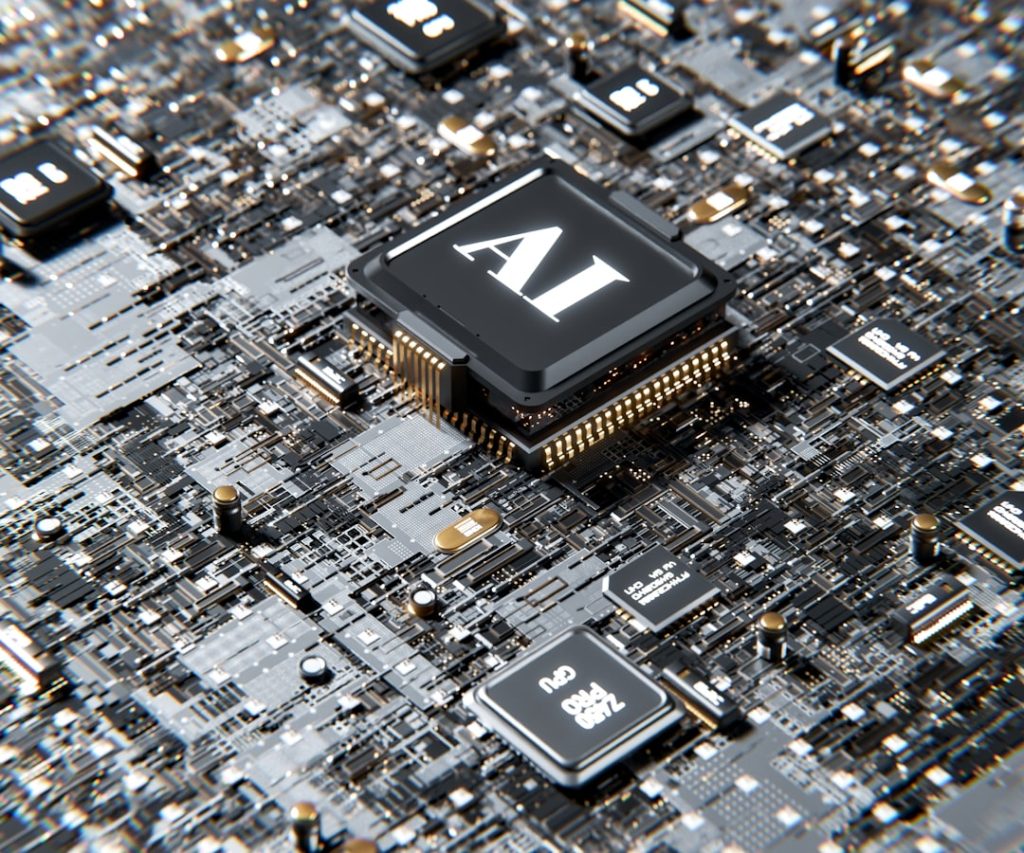
The semiconductor industry is witnessing a fascinating power play as Intel prepares to launch its latest artificial intelligence processor by year’s end. What makes this particularly intriguing is the company’s bold claim that their new chip will undercut competitors on both cost and thermal efficiency – a promise that could either mark a genuine comeback or expose the limitations of playing catch-up in a rapidly evolving market.
I find Intel’s approach refreshingly pragmatic. Rather than attempting to directly challenge the training market where competitors have established dominance, the company is focusing on inference tasks – the computational work that happens when users actually interact with AI systems. This strategic pivot makes sense, though it also reveals just how far behind Intel has fallen in the AI race.
The Technical Gamble That Could Pay Off
The “Crescent Island” graphics processing unit represents more than just another chip launch; it’s a calculated bet on different technological priorities. By utilizing LPDDR5 memory instead of the expensive high-bandwidth memory found in premium AI processors, Intel is essentially arguing that raw performance isn’t everything. For many enterprise customers dealing with budget constraints, this could be exactly what they need.

The air-cooling design is particularly clever. While liquid cooling systems offer superior thermal management, they also add complexity and cost that many organizations simply don’t want to deal with. Intel’s bet here is that efficiency gains can be achieved through smarter design rather than brute-force cooling solutions.
Who Benefits and Who Doesn’t
This strategy will likely appeal to mid-tier enterprises and organizations running inference workloads that don’t require absolute peak performance. Companies deploying AI for customer service, content recommendation, or basic automation could find Intel’s offering perfectly adequate while saving substantial money on both hardware and infrastructure costs.
However, this won’t matter much to hyperscale cloud providers or research institutions pushing the boundaries of AI capability. For them, performance per watt and absolute computational power remain paramount, regardless of cost. Intel’s previous struggles with their “Gaudi” training chips demonstrate the difficulty of competing in these high-end segments.

The Broader Market Implications
What’s particularly interesting is Intel’s consideration of the Chinese market, where trade restrictions have created opportunities for alternative suppliers. This geographic arbitrage could provide Intel with a substantial revenue stream, assuming they can navigate the complex regulatory landscape successfully.
The company’s decision to manufacture these chips in-house rather than relying on external foundries is both ambitious and risky. While it could eventually lead to better margins and supply chain control, it also means Intel is betting their manufacturing capabilities can match the quality and efficiency of specialized foundry operations.
The Leadership Factor
Under new leadership, Intel appears to be taking a more measured approach to AI market entry. The previous strategy of trying to compete directly with established players in training workloads was clearly unsuccessful. This new focus on inference and cost-effectiveness suggests a company that has learned from its mistakes, though only market reception will prove whether these lessons translate to commercial success.
The real test will be whether Intel can execute on these promises while maintaining the reliability and ecosystem support that enterprise customers demand. In the AI chip market, technical specifications are just the starting point – software optimization, developer tools, and long-term roadmap clarity often matter more than raw performance numbers.
Photo by Igor Omilaev on Unsplash
Photo by Steve A Johnson on Unsplash
Photo by Milad Fakurian on Unsplash