
Fashion Industry Shifts: Retail Revival Tactics and Media Evolution Trends
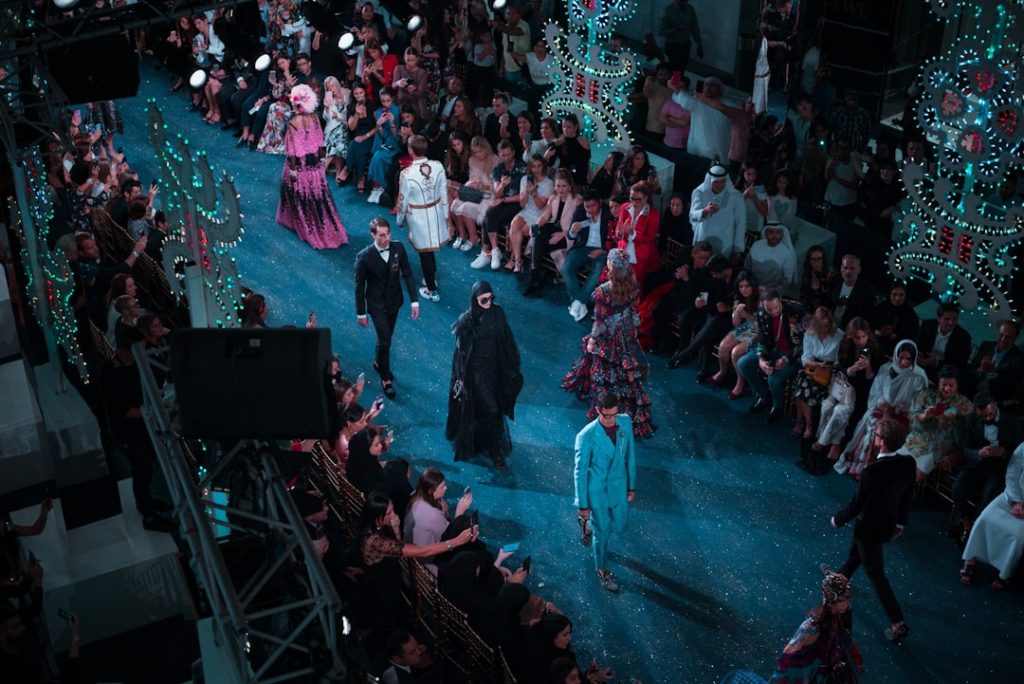
The fashion retail landscape is experiencing significant transformations as companies adapt to changing consumer behaviors and market pressures. From strategic partnerships to media evolution, several key developments are reshaping how brands connect with customers.
Mass Retailer Doubles Down on Designer Partnerships
A major discount retailer is intensifying its focus on high-profile designer collaborations as it grapples with sluggish sales performance and revenue challenges from the previous year. This strategy appears particularly smart for retailers targeting middle-income consumers who desire fashionable pieces at accessible price points. The approach of bringing prestigious designer names to mass market retail has proven successful historically, and I believe it remains one of the most effective ways to generate buzz and drive foot traffic.
What’s particularly interesting here is how these collaborations serve multiple purposes – they create marketing moments, justify higher margins, and give consumers a reason to visit stores rather than shop online. However, this strategy isn’t foolproof. It primarily benefits retailers with strong brand recognition and distribution networks, while smaller competitors may struggle to secure similar partnerships or generate equivalent excitement.
Private Equity Reshapes Beauty Portfolio
In a significant transaction worth $460 million, a UK-based investment firm has acquired a clinical skincare brand from its previous parent company. This deal allows the seller to concentrate resources on their remaining beauty asset while giving the buyer enhanced positioning in the physician-led skincare market.

This move reflects broader industry consolidation trends that I find both promising and concerning. On one hand, focused ownership often leads to better resource allocation and strategic clarity. The clinical skincare segment, in particular, benefits from specialized expertise and dedicated investment. However, these transactions also demonstrate how beauty brands are increasingly viewed as financial assets rather than creative enterprises, which could impact innovation and brand authenticity over time.
Fashion Council Leadership Transition
A prominent fashion industry organization has appointed filmmaker Allison Sarofim as the new chair of its philanthropic arm, succeeding a theater producer in the role. This exclusive group focuses on supporting American fashion through charitable initiatives and community building.
Leadership changes in fashion organizations matter more than many realize. They signal industry priorities and can influence funding directions for emerging designers. Sarofim’s background in filmmaking could bring valuable cross-industry perspectives, though the real test will be whether she can expand the organization’s reach beyond traditional fashion circles.
Podcast Platform Secures Major Partnership
Fashion podcast “The Cutting Room Floor” has established a multi-year collaboration with subscription platform Patreon, enabling expanded content creation and community engagement opportunities. This partnership positions the podcast creator to develop a broader independent media operation.

This development highlights a crucial shift in fashion media that traditional publications should take seriously. Independent creators with dedicated audiences can now access resources previously available only to established media companies. For fashion enthusiasts, this means more diverse voices and perspectives. However, it also raises questions about editorial standards and fact-checking that established media organizations typically maintain.
Traditional Media Embraces Influencer Talent
Both established and digital publications are actively recruiting social media influencers for editorial positions while simultaneously training existing staff to enhance their online presence. This shift reflects changing revenue models where subscriptions, affiliate marketing, and social media engagement have become more valuable than traditional web traffic.
I believe this trend represents a necessary evolution rather than a compromise of journalistic integrity. The ability to authentically recommend products while maintaining editorial credibility is indeed a valuable skill. However, this approach primarily benefits publications with resources to properly integrate influencer talent and train staff. Smaller outlets may struggle to compete, potentially accelerating industry consolidation.
The challenge lies in maintaining the balance between commercial success and editorial independence. Publications that successfully navigate this transition will likely emerge stronger, while those that resist adaptation may find themselves increasingly irrelevant to younger audiences who expect seamless integration between content and commerce.
Photo by Michael Lee on Unsplash
Photo by John Cameron on Unsplash