
Airlines Face Growing Pressure to Address Plus-Size Passenger Accommodation Policies
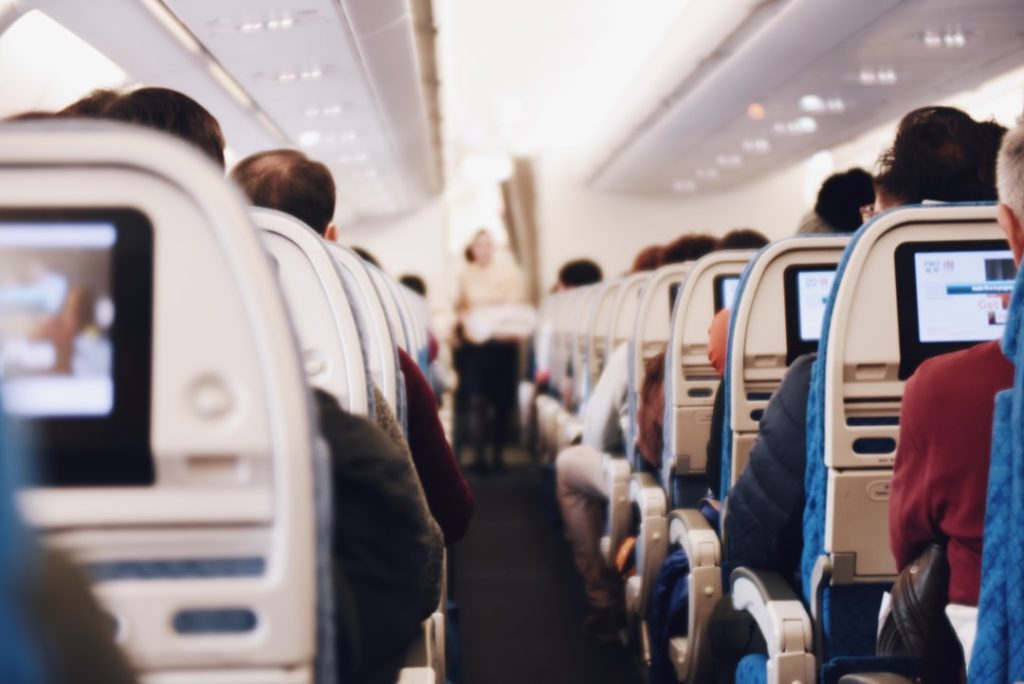
The aviation industry is grappling with evolving policies regarding passenger seating arrangements, particularly as airlines reassess their approach to accommodating travelers who require additional space. Recent developments highlight the ongoing tension between operational efficiency and passenger comfort in an industry where every inch of cabin space translates to revenue.
What strikes me most about this situation is how it reflects broader societal changes in how we think about accessibility and inclusion. Airlines are being forced to confront a reality they’ve long avoided: their standard seat configurations simply don’t work for everyone, and the consequences of that mismatch fall disproportionately on passengers who are already facing enough challenges when traveling.

The core issue revolves around passengers who cannot comfortably fit within the confines of a single economy seat. This isn’t just about comfort—it’s about safety, dignity, and basic human decency. I believe airlines have a responsibility to address this systematically rather than leaving it to gate agents to make awkward, potentially discriminatory decisions at boarding time.
For travelers who find themselves needing extra space, these policy changes represent both hope and uncertainty. On one hand, clearer guidelines could reduce the humiliation and unpredictability that many face when flying. On the other hand, inconsistent implementation across the industry means passengers still can’t rely on uniform treatment from one carrier to another.

What’s particularly frustrating is how this issue exposes the short-sighted nature of airline revenue optimization. While carriers obsess over squeezing more seats into cabins, they create problems that ultimately cost them more in customer service headaches, negative publicity, and potential legal challenges. A more thoughtful approach to inclusive design from the outset would benefit everyone.
The reality is that this matters most for frequent travelers who have limited airline options in their markets. If you’re flying once a year for vacation, you can probably research and choose an airline with better policies. But for business travelers or those with family obligations requiring regular flights, inconsistent or inadequate accommodation policies can make air travel genuinely stressful.
I think the solution lies not in band-aid policies but in fundamental rethinking of aircraft design and pricing structures. Airlines could offer graduated seating options that acknowledge the reality of human body diversity without stigmatizing anyone. The current system of treating larger passengers as exceptions to be grudgingly accommodated is both inefficient and unnecessarily cruel.
Ultimately, this issue will likely be resolved through a combination of regulatory pressure, competitive differentiation, and evolving social expectations. Airlines that get ahead of this curve by developing genuinely inclusive policies will likely find themselves with more loyal customers and fewer public relations disasters.
Photo by Suhyeon Choi on Unsplash
Photo by JC Gellidon on Unsplash
Photo by Alexander Schimmeck on Unsplash