
Chip Giants Face New Threat as Graphics Powerhouse Expands Into CPU Territory
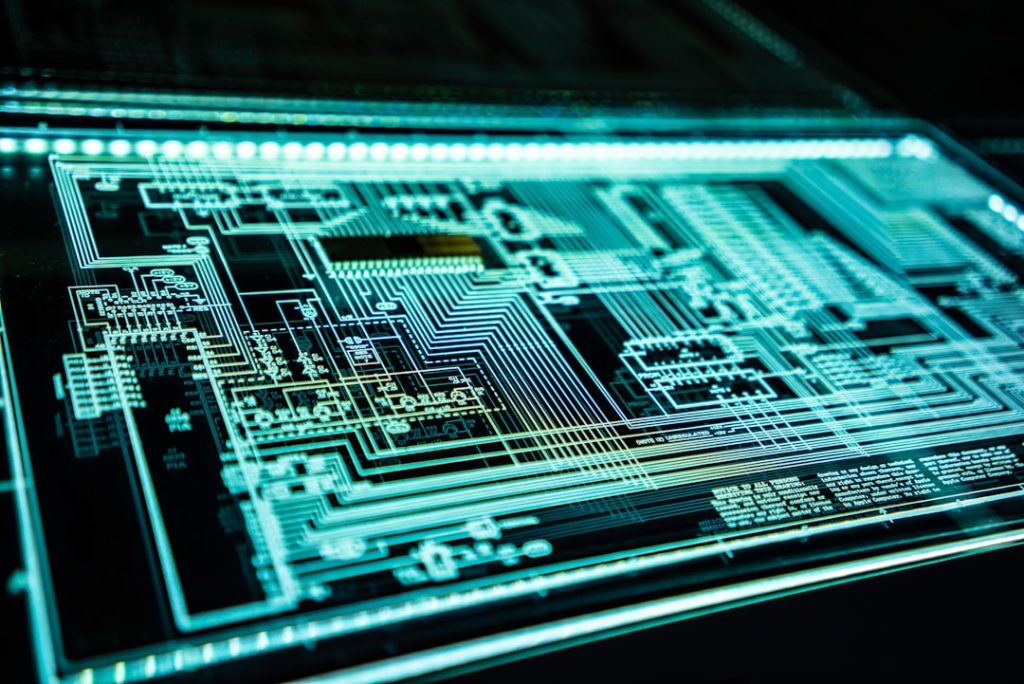
The semiconductor landscape is experiencing a seismic shift that I believe will reshape the entire industry over the next few years. Traditional processor manufacturers are watching their stock prices tumble as their graphics-focused rival makes an aggressive push into central processing unit territory, marking what could be the most significant competitive disruption in decades.
This development represents more than just another product launch—it’s a fundamental challenge to the established order in computing hardware. For investors, this signals a period of heightened volatility and uncertainty in chip stocks that could persist for months or even years.
What makes this particularly compelling is how it demonstrates the fluid nature of modern technology markets. Companies that once operated in clearly defined lanes are now crossing boundaries with increasing frequency, and I think this trend will only accelerate.
Market Dynamics and Competitive Pressure
The immediate market reaction tells a story of investor anxiety about established market positions. When a company known primarily for graphics processing announces intentions to compete in the CPU space, it sends shockwaves through an industry that has enjoyed relatively stable competitive dynamics for years.

From my perspective, this move makes perfect sense strategically. The convergence of artificial intelligence, machine learning, and traditional computing tasks has created an opportunity for companies with specialized expertise to leverage their strengths in new markets.
However, I believe investors may be overreacting in the short term. Building a competitive CPU business requires more than technical capability—it demands extensive partnerships, manufacturing relationships, and software ecosystem support that takes years to develop.
Who Benefits and Who Doesn’t
This shift creates clear winners and losers across the technology ecosystem. Data center operators and cloud computing providers stand to benefit significantly from increased competition, as it typically drives innovation and potentially lower prices.
Software developers working on performance-critical applications should also welcome this development, as competing architectures often push the boundaries of what’s possible in terms of processing power and efficiency.

On the flip side, traditional CPU manufacturers face their most serious competitive threat in years. Their established customer relationships and software compatibility advantages may not be enough to maintain market dominance if the new entrant delivers superior performance or value.
Smaller chip companies without the resources to compete in this elevated landscape may find themselves increasingly marginalized. I think we’ll see consolidation accelerate as companies either scale up or get acquired.
Long-term Industry Implications
What concerns me most about this development is the potential for market fragmentation. While competition generally benefits consumers, too many competing standards can create confusion and slow adoption of new technologies.
The success of this CPU venture will largely depend on execution and market timing. Technical superiority alone isn’t enough—the company needs to build comprehensive ecosystem support and convince major manufacturers to adopt their platform.
For enterprise customers, this represents both opportunity and risk. Early adopters may gain competitive advantages through access to cutting-edge technology, but they also face the possibility of betting on a platform that fails to gain widespread acceptance.
I believe the ultimate outcome will depend on how quickly the new entrant can establish credibility in mission-critical applications and whether they can maintain their innovation edge while scaling production to meet enterprise demands.
Photo by Adi Goldstein on Unsplash
Photo by Alexandre Debiève on Unsplash