
Crude Oil Surges as Middle East Tensions Disrupt Energy Markets
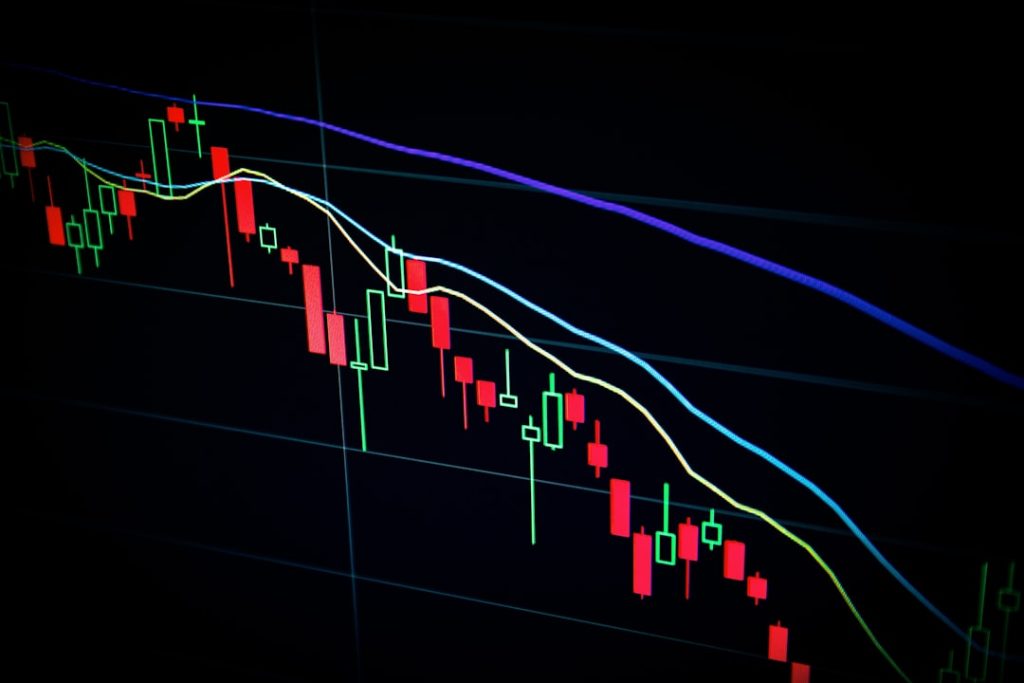
Energy markets experienced significant volatility as crude oil prices surged following reports of deteriorating diplomatic relations between Iran and the United States. The development has created ripple effects across global financial markets, with bond yields rising and equity markets showing mixed signals.
I believe this latest escalation highlights just how fragile the current geopolitical landscape remains, particularly in the Middle East. For energy traders and investors, this represents both opportunity and substantial risk – something that requires careful consideration of one’s risk tolerance.
Market Response Reflects Broader Energy Concerns
The immediate market reaction demonstrates the ongoing sensitivity of energy prices to geopolitical developments in the region. Oil futures jumped as traders reassessed supply risks, while government bond prices declined as investors rotated into risk assets. Stock markets displayed a more cautious response, with energy sector gains offset by concerns about broader economic implications.

What strikes me as particularly significant is how quickly markets responded to diplomatic news rather than actual supply disruptions. This suggests that energy market participants remain highly nervous about potential supply chain interruptions, even when no immediate physical impact has occurred.
Implications for Different Market Participants
For institutional investors managing diversified portfolios, this volatility presents both challenges and opportunities. Energy sector exposure becomes more valuable during such periods, but the associated risks require careful hedging strategies. I think sophisticated investors with proper risk management frameworks are best positioned to navigate these conditions.
Retail investors, however, should approach this situation with considerable caution. The rapid price movements in energy markets can create substantial losses for those without deep understanding of geopolitical risks and commodity trading dynamics.

Long-term Strategic Considerations
From my perspective, this episode reinforces the importance of energy security and diversification in global supply chains. Countries and companies heavily dependent on Middle Eastern energy exports may need to accelerate their transition to alternative sources or renewable energy solutions.
The diplomatic breakdown also suggests that energy price volatility will likely persist in the near term. This creates ongoing uncertainty for industries with high energy costs, including transportation, manufacturing, and utilities. Companies in these sectors that haven’t already implemented effective hedging strategies may find themselves at a significant disadvantage.
What concerns me most is the potential for this situation to escalate beyond diplomatic tensions into actual supply disruptions. The global economy remains vulnerable to energy price shocks, and any significant reduction in Middle Eastern oil exports could trigger broader economic instability.
Photo by Maxim Hopman on Unsplash