
Market Concentration Mirrors Dot-Com Era Warning Signs as AI Stocks Drive Narrow Rally
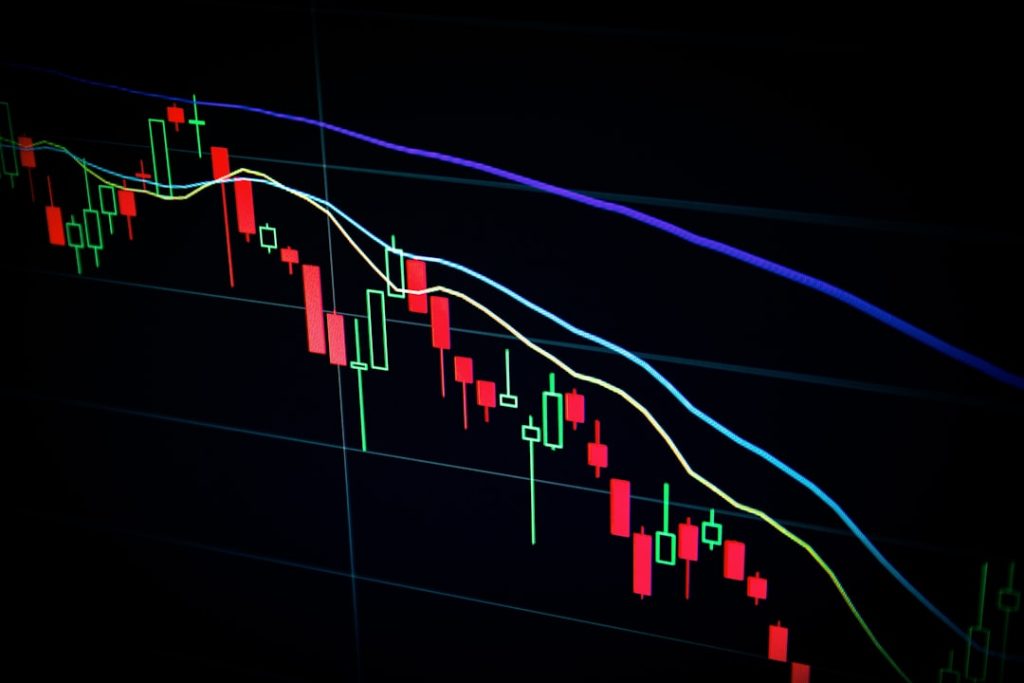
The current market rally bears an unsettling resemblance to the final stages of the dot-com bubble, and frankly, this should concern any investor paying attention to market history. When the S&P 500 hit new records at the end of May, only a tiny fraction of its components actually participated in the celebration – a phenomenon that screams caution to those who remember how these stories typically end.
What strikes me as particularly alarming is how concentrated this rally has become. Out of 500 companies in the index, merely 20 stocks reached new highs on that record-setting day. Even more telling, 13 of those 20 were artificial intelligence companies, creating a level of market concentration that should make any seasoned investor uncomfortable.
This narrow leadership isn’t just concerning – it’s historically dangerous. Bank of America’s research reveals an identical pattern occurred at the peak of the internet bubble in March 2000, when exactly 20 stocks hit new highs just as the market was about to implode. I believe this parallel isn’t coincidental; it’s a warning sign that speculative excess has reached dangerous levels.

The semiconductor sector’s performance in May exemplifies this dangerous euphoria. Memory chip manufacturers experienced gains that can only be described as parabolic – Micron Technology surged 88%, Advanced Micro Devices climbed 46%, and Asian chipmakers like SK Hynix and Samsung posted similarly explosive returns of 81% and 44% respectively. These aren’t sustainable investment returns; they’re speculative fever dreams.
For growth-oriented investors and momentum traders, this environment might seem like a goldmine. The tech-heavy Nasdaq’s 25% surge over just two months represents its strongest performance in over two decades. However, I would argue that this is precisely when disciplined investors should be most cautious, not most aggressive.
The market’s internal health tells a more sobering story that contradicts the headline euphoria. Technical indicators reveal troubling weakness beneath the surface glamour. Advance-decline ratios, which measure market breadth by comparing rising versus falling stocks, have deteriorated significantly since mid-April. This divergence between index performance and underlying participation is a classic warning sign that professional traders ignore at their peril.

What’s particularly concerning is that only 55% of S&P 500 companies were trading above their 200-day moving averages as of late May. This means nearly half the market is actually in decline while artificial intelligence stocks carry the entire index higher. For long-term investors focused on broad market exposure, this concentration risk represents a significant vulnerability that could lead to substantial losses when sentiment inevitably shifts.
The current environment strongly favors those with the flexibility to move quickly and the discipline to recognize when speculation has gone too far. Day traders and short-term momentum players might continue profiting from this narrow rally, but buy-and-hold investors in diversified portfolios may find themselves disappointed when this artificial intelligence bubble deflates.
I believe the writing is on the wall for a significant market correction. The combination of extreme concentration, deteriorating breadth, and historical parallels to previous bubble peaks suggests that defensive positioning makes more sense than chasing these speculative gains. Rising interest rates and potential central bank intervention could serve as the catalyst that bursts this concentrated bubble, just as they have in previous cycles.
For conservative investors and those nearing retirement, this environment demands extreme caution. The narrow nature of this rally means that broad diversification – typically a protective strategy – may not provide the safety it usually offers. Instead, a defensive approach focusing on bonds and sectors that have underperformed during this speculative phase may prove more prudent.
The market’s current behavior reminds us why studying financial history matters. Those who recognize these patterns and act accordingly will likely preserve capital, while those caught up in the artificial intelligence euphoria may face significant losses when reality reasserts itself. The question isn’t whether this narrow rally will end, but when – and smart investors should position themselves accordingly.
Photo by Maxim Hopman on Unsplash
Photo by Nick Chong on Unsplash
Photo by Anne Nygård on Unsplash