
Rising Fuel Costs Make Electric Scooters an Attractive Alternative for Short Trips
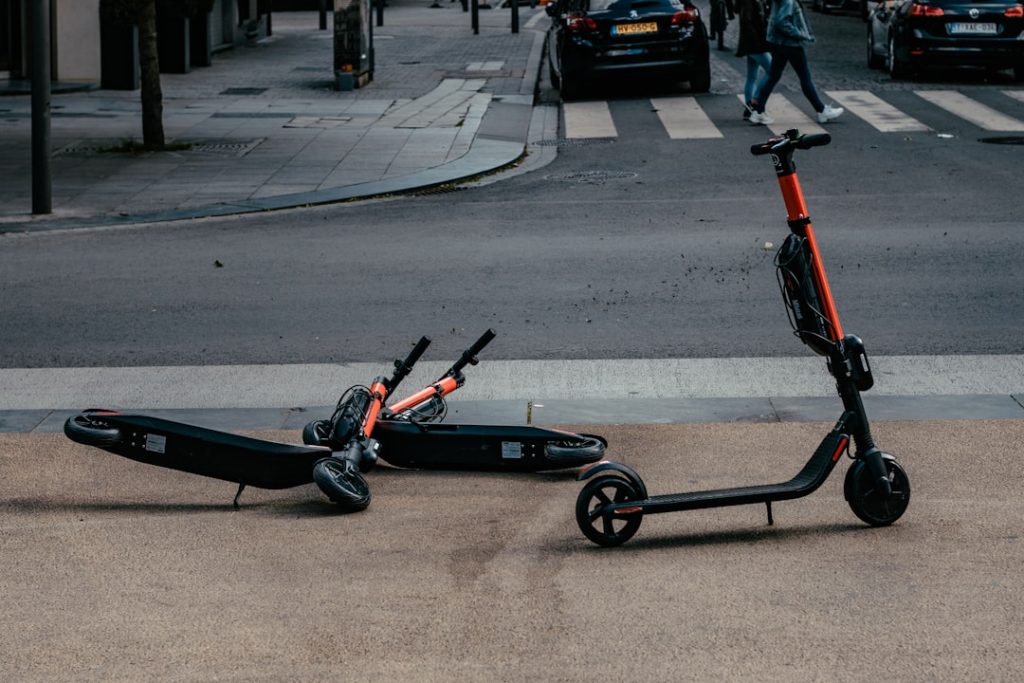
With gasoline prices soaring above $4.50 per gallon nationwide, drivers are feeling the pinch every time they visit the pump. This financial strain has me reconsidering which journeys truly require a traditional vehicle and which could be accomplished through alternative transportation methods.
I believe the current fuel crisis presents an excellent opportunity to evaluate electric scooters as a practical solution for short-distance travel. While these devices won’t replace your car for long-distance trips, they offer compelling advantages for daily errands like grocery shopping, gym visits, or coffee runs that typically involve distances under five miles.
After analyzing the economics and testing various models, I’m convinced that electric scooters represent a smart investment for urban dwellers who frequently make short trips. However, this solution isn’t universally applicable – your location, climate, and lifestyle significantly impact whether this alternative makes sense.
Breaking Down the Financial Mathematics
The numbers tell a compelling story when comparing operational costs. A typical sedan achieving 25 miles per gallon costs approximately 18 cents per mile at current fuel prices. In contrast, electric scooters operate at dramatically lower costs due to their energy efficiency.
Consider a high-quality electric scooter with a 25-mile range powered by a 374 watt-hour battery. Using the national average electricity rate of 17.65 cents per kilowatt-hour, a complete charge costs roughly 66 cents. This translates to approximately 0.3 cents per mile – making electric scooters 60 times more economical than gasoline vehicles for equivalent distances.
I find these savings particularly meaningful for people who make frequent short trips. If you replace just one daily 3-mile round trip with an electric scooter, you’ll save nearly $30 monthly. For those willing to substitute multiple short journeys, savings can reach $60 or more per month.

Real-World Performance and Practicality
Modern electric scooters have evolved beyond simple standing platforms. Today’s seated models offer comfort features that make longer rides enjoyable rather than endurance tests. The inclusion of storage baskets addresses one of the biggest limitations of traditional scooters – carrying capacity.
From my experience, seated scooters with adequate storage can handle most daily errands effectively. The learning curve is minimal, and the riding experience genuinely enjoyable. Built-in LED displays provide essential information about speed and battery life, while integrated lighting systems ensure visibility during evening rides.
What impresses me most is the practical range these devices offer. A 25-mile capacity easily covers multiple daily trips, and overnight charging ensures you start each day with full power. The dual suspension systems found on quality models provide smooth rides even on less-than-perfect road surfaces.
Who Benefits Most From This Transportation Shift
Electric scooters work exceptionally well for specific demographics and situations. Urban professionals with short commutes will find them ideal, especially those dealing with expensive parking fees or traffic congestion. College students navigating campus environments represent another perfect user group, as do individuals living in bike-friendly cities with established cycling infrastructure.
I believe people who regularly make solo trips under five miles gain the most value. Coffee shop regulars, gym enthusiasts, and frequent grocery shoppers will see immediate benefits. The elimination of parking hassles alone makes these devices worthwhile for many urban dwellers.
Limitations and Realistic Expectations
However, I must emphasize that electric scooters aren’t suitable for everyone. Families needing to transport multiple people or large cargo loads won’t find these devices practical. Parents shuttling children to activities or couples running errands together will still require traditional vehicles.

Climate plays a crucial role in determining value. Residents of areas with harsh winters or frequent severe weather will have limited riding seasons, extending the payback period significantly. While quality scooters handle light rain, they’re not designed for storm conditions.
Infrastructure matters enormously. Cities lacking bike lanes or scooter-friendly policies create safety challenges that may outweigh financial benefits. I strongly recommend evaluating your local traffic patterns and available routes before investing.
The Investment Timeline
At current prices ranging from $400-600 for quality models, electric scooters typically pay for themselves within 12-18 months when replacing regular short trips. Given that well-maintained units last three to five years, users enjoy several years of pure savings after the initial investment recovery.
This timeline assumes consistent usage patterns and stable fuel prices. If gasoline costs continue rising, the payback period shortens considerably. Conversely, if you live somewhere limiting year-round usage, expect longer recovery times.
My Final Assessment
Electric scooters represent an intelligent response to rising transportation costs, but only for the right users in appropriate circumstances. Urban dwellers making frequent short trips will find them transformative, while suburban families or those in challenging climates may see limited value.
I believe the current fuel price environment creates an ideal opportunity to experiment with alternative transportation. The combination of immediate cost savings, reduced environmental impact, and genuine enjoyment makes electric scooters worth serious consideration for appropriate users.
The key is honest self-assessment: evaluate your typical travel patterns, local infrastructure, and climate conditions before investing. For those whose circumstances align with electric scooter strengths, the financial and practical benefits are substantial and immediate.
Photo by Ernest Ojeh on Unsplash
Photo by Let's Kick on Unsplash